



The Hidden Health Benefits of Papaya Leaves: A Natural Powerhouse
While the succulent and sweet papaya fruit is globally celebrated for its digestive benefits and high vitamin content, the leaves of the papaya tree (Carica papaya) remain one of nature’s best-kept secrets. For centuries, traditional medicine has harnessed papaya leaves to treat various ailments, ranging from minor skin conditions to severe systemic diseases. Today, scientific research is increasingly validating what indigenous populations have long known: papaya leaves are a powerhouse of essential nutrients, antioxidants, and unique enzymes like papain and chymopapain.
Commonly found in tropical regions, papaya leaves can easily be incorporated into your daily diet through teas, extracts, or juices. Doing so may offer a versatile, holistic approach to bodily protection, detoxification, and illness recovery—particularly for diseases like malaria and dengue fever. Read on to discover the extensive health benefits of papaya leaves and how they can elevate your overall well-being.
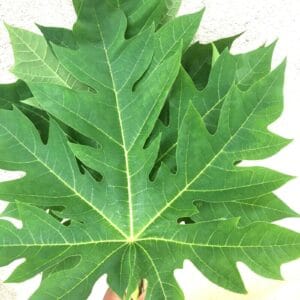
Remarkable Health Benefits of Papaya Leaves
1. Natural Support for Emphysema (COPD)
Emphysema, a severe form of Chronic Obstructive Pulmonary Disease (COPD), is a daunting condition characterized by the gradual destruction of lung tissues and the alveoli (the tiny air sacs in the lungs). If left untreated, it severely restricts airflow and breathing capacity. Remarkably, papaya leaves contain specific components, including high levels of Vitamin D and potent antioxidants, which are believed to prevent the accelerated decline of lung tissue. By controlling cellular inflammation and oxidative stress, papaya leaf extract acts as a supportive remedy. However, it is crucial to consult with a healthcare provider before using papaya leaves as a complementary treatment for emphysema.
2. A Soothing Natural Cure for Eczema
Eczema is a chronic skin inflammation condition that results in intensely itchy patches, crusting, and weeping sores, often causing significant physical and psychological unease. Papaya leaves possess exceptional anti-inflammatory properties. When applied topically or consumed, the bioactive compounds within the leaves help to soothe inflamed skin, reduce redness, and mitigate the intense itching associated with eczema. Their natural healing properties foster skin cell regeneration and restore the skin’s protective barrier.
3. Boosts Overall Energy Levels
Chronic fatigue and low energy are often symptoms of underlying systemic issues, such as heavy toxin loads or nutrient deficiencies. Nutritionists suggest that clearing out bodily toxins is the first step to reclaiming lost energy. Consuming papaya leaf juice or tea floods the body with nourishing enzymes, essential vitamins (like A, C, and E), and powerful antioxidants. These components work synergistically to promote healthy blood circulation, ensuring that oxygen and vital resources are efficiently transported to every organ. This detoxification process naturally elevates energy levels and banishes chronic lethargy.
4. Promotes Radiant, Youthful Skin
The skin is constantly bombarded by environmental stressors, leading to the accumulation of free radicals and oxidative stress. These harmful molecules destroy healthy skin cells, triggering premature aging signs like sagging skin, wrinkles, and fine lines. Papaya leaves act as a shield against this cellular deterioration. Rich in over 50 active amino acids and powerful antioxidants like phenolic compounds and flavonoids, papaya leaves neutralize free radicals and stimulate the repair of damaged cells. Regular consumption or topical application keeps the skin deeply nourished, firm, and radiantly youthful.
5. Potent Anti-Dandruff Properties
Dandruff is a persistent scalp condition that can severely damage hair health and confidence. While commercial anti-dandruff shampoos rely on harsh, chemical-filled formulations that offer only temporary relief, papaya leaves provide a sustainable, natural alternative. Thanks to their strong antibacterial and antifungal properties—specifically targeting the Malassezia fungus responsible for dandruff—papaya leaves cleanse the scalp thoroughly. Rinsing your hair with a concoction of boiled papaya leaves and water over a few days helps balance scalp pH, eliminate flakes, and foster robust hair growth.
6. Controls Harmful Bacterial Growth in the Gut
An imbalance in gut flora, characterized by the overgrowth of harmful bacteria, can lead to severe gastrointestinal distress and compromised immunity. Integrating papaya leaf extract into your daily diet helps ward off this draining condition. Papaya leaves boast over 50 active therapeutic compounds, including potent tannins and alkaloids like carpaine. These compounds act as powerful antimicrobial agents that specifically inhibit the proliferation of bad bacteria while preserving beneficial gut flora. This protective mechanism shields the intestinal system from the adverse effects of infectious pathogens, promoting robust digestive health.
7. Accelerated Recovery from Dengue and Malaria
Perhaps one of the most clinically recognized benefits of papaya leaves is their efficacy in treating mosquito-borne diseases like Dengue fever and Malaria. Dengue often causes a dangerous drop in blood platelet counts. Studies have extensively shown that papaya leaf juice stimulates the production of megakaryocytes (the cells that produce blood platelets), leading to a rapid increase in platelet counts. Its antimalarial properties are equally impressive, helping to manage fever and expedite the recovery process safely.
Conclusion
The humble papaya leaf is undeniably a formidable ally in the realm of natural wellness. From defending the lungs against emphysema and soothing eczematic skin to revitalizing energy levels and combating dangerous viral infections like dengue, its health benefits are vast and scientifically backed. By incorporating papaya leaf tea or extract into your wellness routine, you can tap into a rich reservoir of enzymes, antioxidants, and phytochemicals designed to protect and rejuvenate your body from the inside out.
References
- Noman, O., et al. (2022). ‘Carica papaya L. Leaves: Deciphering Its Antioxidant Bioactives, Biological Activities, Innovative Products, and Safety Aspects.’ PubMed Central (PMC9203216).
- Kaur, M., et al. (2025). ‘Nutritional, Phytochemical, and Antimicrobial Properties of Carica papaya Leaves: Implications for Health Benefits and Food Applications.’ Foods, PubMed (PMID: 39856820).
- Srivastava, P., et al. (2022). ‘Herbal Arsenal against Skin Ailments: A Review Supported by In Silico Molecular Docking Studies.’ PubMed Central (PMC9572213).
- Pandey, S., et al. (2021). ‘Phytomedical Properties of Carica papaya for Boosting Human Immunity Against Viral Infections.’ PubMed Central.
- World Health Organization (WHO) Guidelines on Traditional Medicine Strategy, highlighting the efficacy of botanical extracts such as Carica papaya in tropical disease management.


